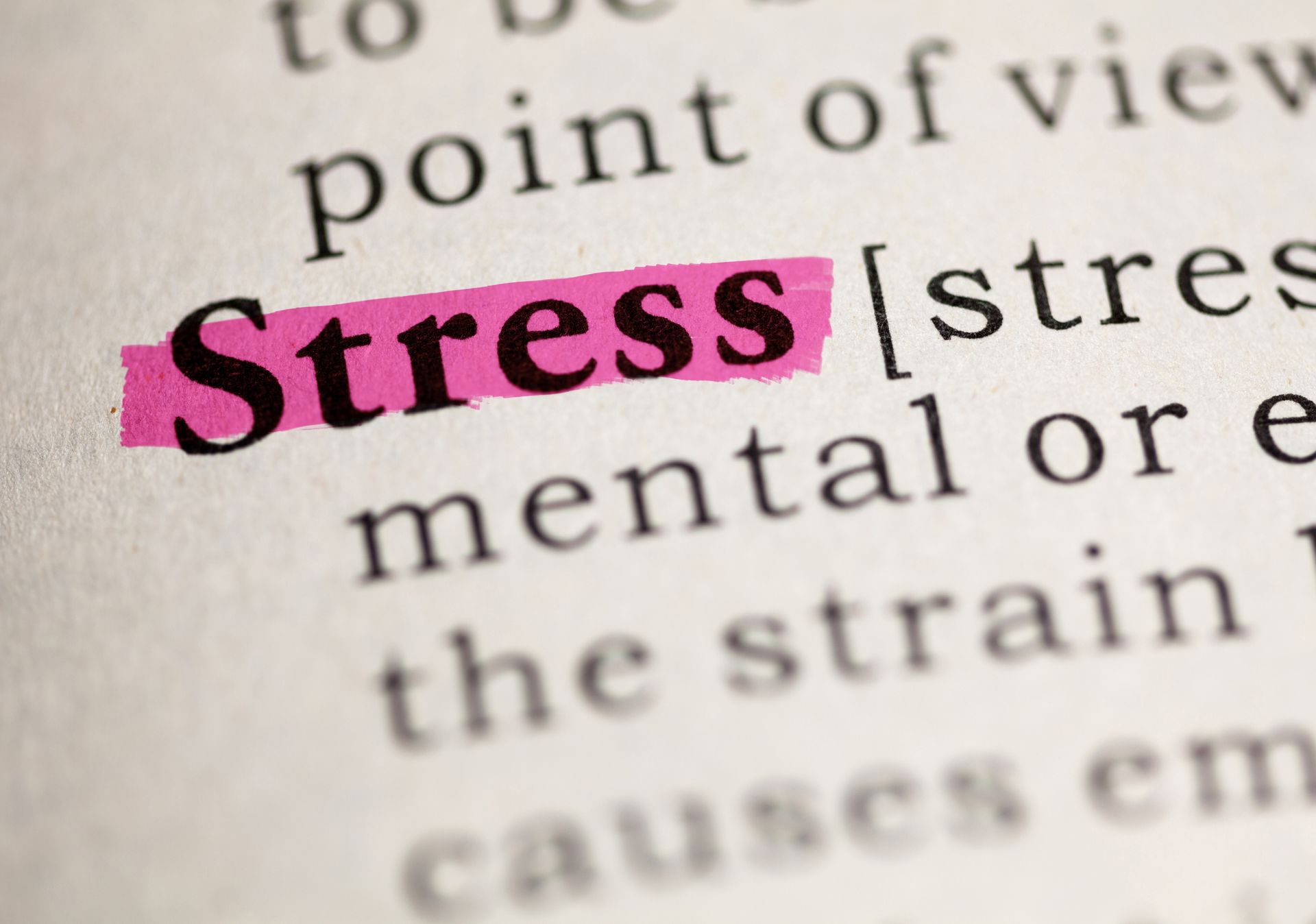
As Stress Awareness Week draws to a close, it’s a good time to pause and reflect, not just on the stress we all carry, but on how we respond to it, especially in the workplace and in our communities.
The Health and Safety Executive (HSE) has long championed a proactive approach to managing work-related stress. Through its Working Minds campaign, it promotes the 5 Rs, a simple but powerful framework for employers and leaders:
- Reach out – Start the conversation.
- Recognise – Spot the signs and causes of stress.
- Respond – Take action on the risks you’ve identified.
- Reflect – Review what’s working and what’s not.
- Make it Routine – Embed wellbeing into everyday culture.
These aren’t just tick-boxes. They’re a mindset that separates good leadership from bad, and reactive organisations from resilient ones.
Stress Is Everywhere — But Not All of It Is Inevitable
Life brings stress. Things break. Roofs leak. Money’s tight. But what people don’t need is avoidable stress, the kind that comes from being ignored, dismissed, or left in the dark.
Take one of our recent cases: a resident who lives in a really good property, but one that is managed by a property management company. They have lived under scaffolding for more than half of the past 11 years. One period lasted over two years. The current structure has been up for nine months, once again blocking daylight into their kitchen, utility room, and bedroom.
We measured the light levels inside their home: Just 2 lux in the living space, compared to 1300 lux outside. That’s a 99.85% reduction in natural light a twilight existence in what should be a bright, habitable home.
This isn’t just a housing issue. It’s a wellbeing issue. And it’s a leadership issue. Because someone, somewhere, made a decision to leave that scaffold in place and no one followed up. Someone has to be willing and able to manage up, to hold the property management company to account.
Leadership, Lived Experience, and Learning the Hard Way
I’ve not always got it right myself. As a young police sergeant, I used to believe in the old mantra: “Leave your issues at the door.” It wasn’t until I faced personal challenges including the emotional stresses and challenges of two miscarriages and the breakdown of my marriage that I realised just how unrealistic and unkind that expectation really was.
Maturity and confidence softened my approach as I moved up the inspecting ranks. I learned that resilience matters, but so does compassion, humanity, proportionality, and reasonableness. You can’t lead people if you don’t understand what they’re carrying.
Applying the 5 Rs in Real Life
Let’s revisit the HSE’s 5 Rs in the context of this case:
- Reach out: Has anyone checked in with the resident? Has anyone asked how they are coping?
- Recognise: The signs are there, prolonged disrepair, light deprivation, emotional distress.
- Respond: Where’s the action plan? Where’s the timeline for scaffold removal?
- Reflect: Has this happened before? (Yes — multiple times.) What’s been learned?
- Make it Routine: Are wellbeing checks and tenant engagement part of the property manager’s culture? Or are they only reactive?
A Call to Leaders
Whether you’re a landlord, a line manager, or a business owner, your leadership sets the tone. If your organisation doesn’t yet have the capacity to prioritise mental health, wellbeing, and safe environments, then reach out. People like us can help.
Stress may be part of life but suffering in silence shouldn’t be. And leadership isn’t just about resilience. It’s about responsibility.
Leadership isn’t just about how we treat people at work either it’s about the environments we create and the systems we oversee. And nowhere is that more evident than in housing. Because when homes become sources of stress, the consequences aren’t just practical they are personal, emotional, and sometimes tragic
Why Housing and Health Are Inseparable
The tragic death of two-year-old Awaab Ishak in 2020, caused by prolonged exposure to mould in a social housing flat, led to the introduction of Awaab’s Law under the Social Housing (Regulation) Act 2023. It’s a landmark moment in housing safety and a stark reminder of what happens when health, safety, and leadership are neglected.
Under Awaab’s Law, social landlords must:
- Investigate emergency hazards (like damp and mould) within 24 hours.
- Investigate significant hazards within 10 working days, and begin repairs within 5 days.
- Provide written findings to tenants within 3 working days.
- Offer alternative accommodation if the property cannot be made safe in time.
While this law currently applies to social landlords, it sets a national standard that is expected to extend to the private rented sector under the forthcoming Renters’ Reform Bill. But beyond the legal obligations, it’s a moral imperative: safe housing is a health issue.
At Hendersons Health & Safety, we’ve seen first-hand how poor housing conditions from persistent leaks to scaffold-induced light deprivation can erode mental health, increase stress, and diminish quality of life. That’s why we advocate for a more integrated approach to risk management - one that includes:
- Housing Health & Safety Rating System (HHSRS)
assessments to identify and address hazards in residential settings.
- Mental health and wellbeing risk assessments
that go beyond the basics and reflect the real pressures people face.
- Workplace wellbeing strategies that embed the HSE’s 5 Rs into everyday culture not just policy documents.
If your organisation is unsure where to start, or if you’re facing complex challenges that need a human-centred, legally informed approach, we’re here to help.
Health and Safety isn’t just about compliance. It’s about care. And leadership isn’t just about managing risk it’s about understanding the people behind it.